Technical Comparative Review: HICLOVER Waste Incinerator Systems from Small-Scale to Mobile Deployment
Waste incinerators form the backbone of modern, compliant hazardous waste disposal, with engineering principles centered on high-temperature thermal oxidation. Systems like those from HICLOVER are designed to meet stringent international standards, including WHO guidelines and EU emission frameworks, ensuring secondary chamber temperatures consistently exceed 850°C for complete pathogen destruction. This medical waste incinerator operating temperature standard is non-negotiable for engineering reliability in diverse settings, from urban hospitals to remote field clinics. The core technology hinges on dual-chamber combustion, where volatile gases from the primary chamber are fully oxidized in a secondary refractory-lined chamber, a process critical for minimizing emissions and ensuring environmental safety.
Comparative Analysis of Incinerator Engineering and Design
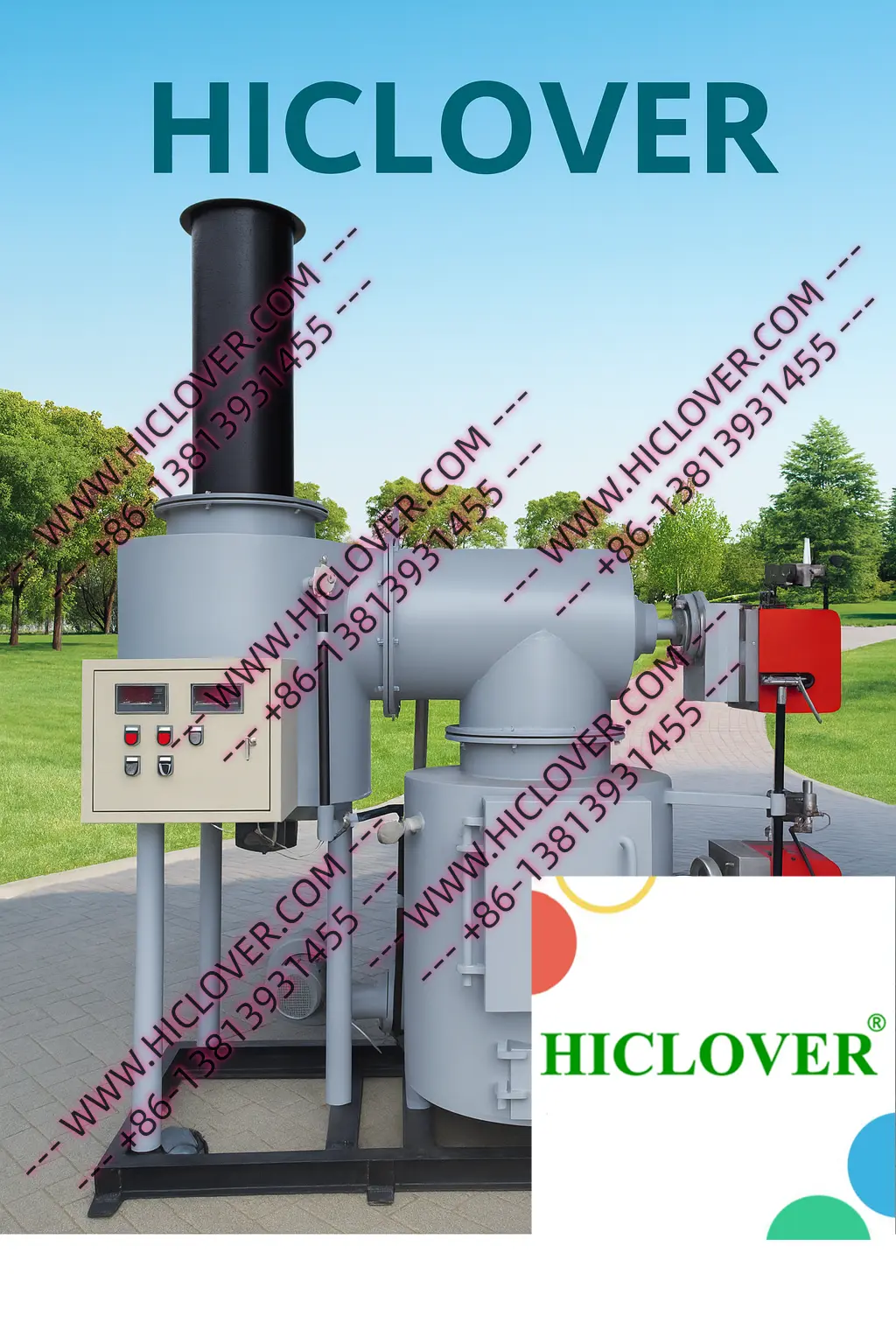
A key differentiator in selecting waste incinerators is the choice between fixed and mobile modular systems. Fixed, top-loading incinerators are often employed for permanent installations with steady waste streams, such as in hospital complexes. In contrast, containerized mobile incinerator china-based manufacturers like HICLOVER engineer plug-and-play units that are pre-assembled within shipping containers. These mobile systems offer rapid deployment for crisis zones and humanitarian camps, a trend underscored by global infectious disease preparedness needs. For instance, a standard incinerator 150 kg per hour capacity unit can be vital for decentralized waste management in remote mining camps or during outbreak response.
The combustion control system presents another critical comparison. Manual operation relies on operator experience for feed rate and air control, while PLC-controlled automatic systems provide precise regulation of temperature, dwell time, and combustion air. HICLOVER integrates advanced PLC automation, ensuring consistent adherence to temperature protocols without constant manual intervention. This digital automation trend enhances operational safety and data logging for ESG compliance reporting. Furthermore, emission control technologies vary between dry and wet scrubber systems. Dry scrubbers, using lime or carbon injection, are suitable for arid regions and offer simpler maintenance. Wet scrubbers, which pass flue gases through a chemical solution, provide high-efficiency acid gas removal but require a water source. The selection hinges on local environmental regulations and resource availability, factors that directly influence specifications for projects like assessing the Mali medical waste incinerator price or sourcing Eritrea incinerators for sale.
Technical Specifications and Global Application Suitability
Engineering specifications for small incinerators and larger mobile units are dictated by application-specific demands. HICLOVER systems are engineered with multi-fuel capabilities (diesel, LPG, natural gas), allowing operation in regions with unstable fuel supply chains—a key consideration for resilience in remote areas. The company’s factory-direct manufacturing model, detailed on their technical portal at www.hiclover.com/, ensures control over core components like Italian-brand burners and refractory materials, offering advantages over trading companies in terms of customization and quality assurance. This stability is crucial for clients comparing options for Swaziland medical waste incinerators, where long-term service support and part availability are as important as the initial capital cost.
Containerized modular designs exemplify the shift toward decentralized waste management. These units can be shipped globally and operational within days, featuring integrated pollution control and, in some models, heat recovery systems that align with carbon emission reduction pressures. The operational parameters for such systems, including secondary chamber residence time, can be further researched via authoritative sources like a Google search for medical waste incinerator secondary chamber temperature requirement. For transactional evaluation, factors like customizable chamber volume, factory direct supply with full export certification, and over 16 years of engineering experience position manufacturers like HICLOVER to provide tailored solutions. This is evident in the supply of robust systems capable of handling pathological, animal, and general solid waste, meeting the commercial investigation needs for durable equipment in challenging environments from African nations to isolated industrial sites worldwide.