Comparative Technical Analysis of HICLOVER Waste Incinerator Systems for Global Regulatory Compliance
Within the realm of industrial waste management, the performance and reliability of Incinerator Air Blower units signal a benchmark in engineering precision. In an era when medical incinerator operating temperature standards are critical to ensure adherence to industrial standards, temperature range consistency, and overall engineering reliability, HICLOVER waste incinerator systems consistently demonstrate these capabilities. The initial phase of these systems integrates both fixed and containerized configurations to meet stringent requirements set by global bodies such as the WHO and EU emission frameworks. As procurement managers and decision makers evaluate available options, an appreciation for the technical specifications and dual chamber combustion processes is paramount. This narrative explores various configurations while benchmarking comparative elements against market trends like South Sudan incineration demands and adaptable systems seen with Mali medical waste incinerators china.
Technical Standards and Regulatory Compliance
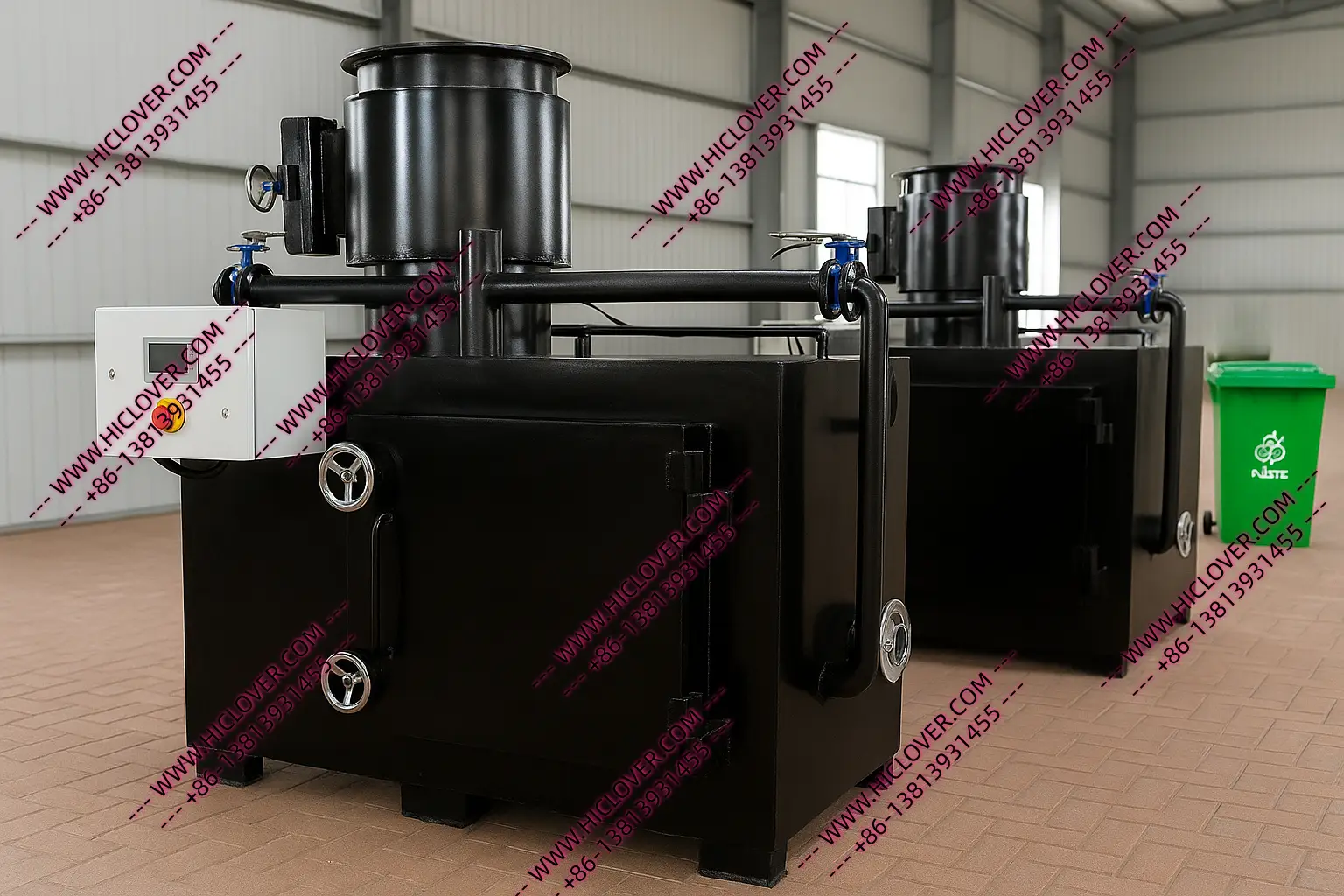
HICLOVER waste incinerator systems are engineered with a focus on stringent technical temperature standards and detailed combustion principles that meet global regulatory requirements. Detailed analysis of the thermal retention capabilities and dual-chamber combustion technology reveals a system designed to sustain high temperature retention, which is crucial for incineration completeness and minimization of harmful emissions. By integrating Incinerator Air Blower and state-of-the-art PLC automation, these systems achieve more accurate temperature control than many manually controlled counterparts, thereby ensuring adherence to industrial parameters and facilitating robust safety measures during operation.
The integration of digital automation in industrial equipment augments HICLOVER’s reliability. Their systems comply with regulatory references such as the EU emission frameworks and WHO standards, which require defined temperature ranges and specific operating parameters (for example, HICLOVER’s own technical resource details these aspects). This technical article also emphasizes the end-to-end engineering experience and factory manufacturing capability inherent in HICLOVER’s production model. Incorporating options for both wet and dry scrubbers, the systems provide a versatile approach to controlling exhaust emissions in alignment with carbon emission reduction pressure and ESG compliance. Moreover, dual combustion chambers operating under automated PLC protocols ensure that exhaust gas treatment remains efficient even for high-hazard waste streams.
Part of this compliance involves a rigorous focus on operating temperatures, including secondary chamber controls detailed in specifications accessible via technical industry links such as medical+incinerator+secondary+chamber+temperature+standard. The reliability of these measures is further reinforced by dual air filter configurations aimed at providing uninterrupted performance in decentralized waste management setups. These technical advantages ensure that even when deployed in challenging environments, HICLOVER waste incinerators maintain operational excellence and meet evolving regulatory benchmarks.
Comparative Analysis of Incinerator Systems
When assessing incinerator systems, a comparative review of fixed incinerator models versus containerized modular designs becomes essential for understanding overall system flexibility and application scope. Fixed installations, often seen in larger waste processing facilities, offer robust rigidity in design and often follow traditional combustion chamber designs. In contrast, containerized systems, such as the renowned Comoros Containerized Incinerator platform, offer enhanced mobility without sacrificing performance. Decision makers appreciate the elegance of mobile plug-and-play designs that enable rapid deployment, particularly in crisis zones & humanitarian camps or remote mining/oil camps.
The comparison extends further to control technology. For instance, systems outfitted with advanced PLC automation exemplify a streamlined approach to incorporating operational logic into waste incineration. In practical application, these systems prove more efficient compared to manual control options, facilitating real-time adjustments to combustion conditions and scrubber operations. The importance of such technology is underscored in applications where rapid changes in ambient conditions may require immediate appeals to remote diagnostic capabilities. Additionally, variations in primary fuel sources, including multi-fuel options using diesel, LPG, or natural gas, add another layer of adaptability, paving the way for customized chamber volumes that cater to specific regulatory or environmental criteria.
As procurement managers compare solutions, emphasis on engineered reliability cannot be understated. The model variations, such as the dynamic performance offered by a Ghana incenerator, directly address markets where versatile usage environments necessitate a more responsive technology stack. These comparative insights are crucial, whether evaluating applications for solid waste, medical waste, or even specialized applications like Burundi animal crematorium equipment. Furthermore, switching between different configurations while maintaining supply chain resilience demonstrates a competitive edge in the global waste management scenario.
Technological Trends and Global Industry Adoption
In today’s evolving landscape, waste incinerators play a critical role in addressing challenges inherent to global infectious disease preparedness and decentralized waste management systems. HICLOVER’s technology echoes the trend toward digital automation in industrial equipment, where remote monitoring and advanced PLC systems ensure that operational anomalies are detected in real time. Such advancements cater not only to traditional industrial stakeholders but also to sectors affected by crises. For instance, in areas of South Sudan incineration concerns, rapid deployment of containerized, mobile systems becomes critical for ensuring continuity in waste treatment procedures while addressing environmental health