Enhancing Waste Management Solutions with HICLOVER Incinerators
Introduction: Addressing Waste Challenges with Advanced Incineration Technology
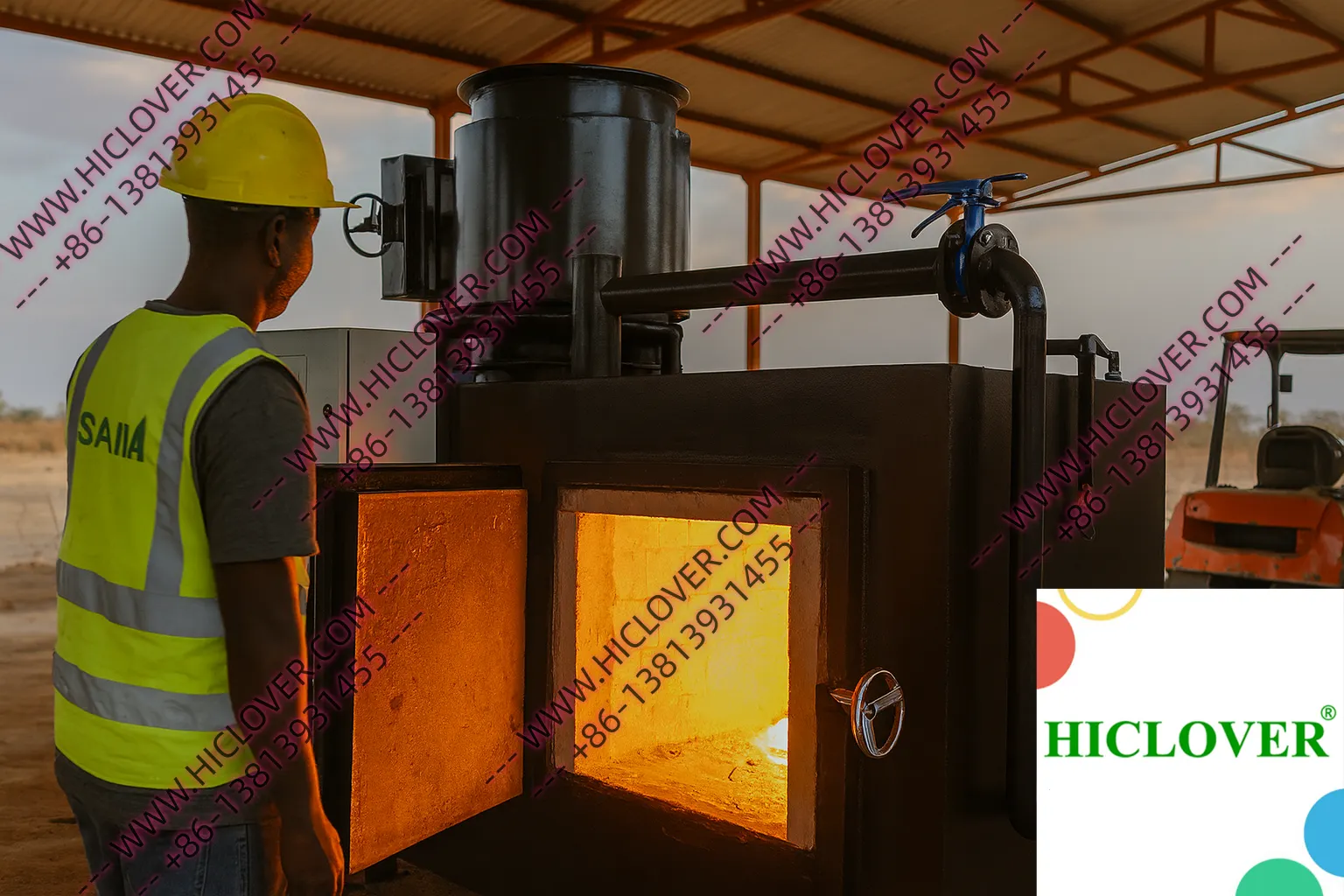
The availability of reliable **waste incinerators** has become critical in various sectors, particularly in developing regions like Somalia, Malawi, Chad, Niger, and Guinea-Bissau. HICLOVER’s waste incinerators are engineered to meet the rigorous industrial standards necessary for efficient waste treatment. With operational temperatures exceeding 800°C, these systems are designed to effectively manage hazardous substances, such as those found in a **Somalia incinerator for hospital waste**, ensuring compliance with international standards. The company’s commitment to engineering reliability and advanced technology positions it as a leader in providing effective waste management solutions.
Regulatory Compliance and Technical Standards
In today’s industrial landscape, compliance with regulations such as those set by the World Health Organization (WHO) and European Union (EU) emissions frameworks is paramount. HICLOVER incinerators are equipped with dual combustion chambers, allowing for complete combustion of waste materials. The primary chamber operates at high temperatures to initiate the destruction of waste, while the secondary chamber ensures that any remaining particulate matter and gases are treated effectively. This two-stage process is crucial for achieving the necessary emissions reductions and ensuring that the equipment meets strict regulatory requirements.
Furthermore, the high-temperature retention capabilities of HICLOVER systems play a vital role in stabilizing combustion conditions, thus minimizing emissions of harmful pollutants. The innovative use of dry scrubbers and optional wet scrubbers provides additional layers of filtration, enabling facilities to meet or exceed local and international emission standards. Such features are particularly important for regions like **Angola**, where **hog incinerators** must comply with environmental regulations while addressing localized waste management challenges.
Comparative Analysis of Incinerator Types
When selecting a waste incinerator, the choice between fixed and containerized systems is often a significant consideration for engineers and technical professionals. HICLOVER’s containerized incinerators offer the advantage of mobility and adaptability, making them ideal for temporary installations in remote sites such as **Chad**. These systems are designed for quick deployment, enabling them to be utilized effectively in crisis zones and humanitarian camps.
Additionally, the comparison between PLC (Programmable Logic Controller) and manual control systems reveals a clear trend towards automation in waste management. HICLOVER’s incinerators are equipped with PLC automation, allowing for precise monitoring and control of operational parameters. This not only enhances operational efficiency but also reduces the likelihood of human error, a critical factor in hazardous waste management scenarios.
Global Export Capability and Customization Options
HICLOVER’s commitment to providing tailored solutions is evidenced by its ability to customize chamber volumes and configurations based on specific client needs. The company maintains a stable supply chain that supports global export capabilities, allowing it to serve diverse markets including **Malawi’s animal incinerator** requirements and **Niger’s small-scale incinerator** applications. Such adaptability is critical in addressing the unique waste management challenges faced by each region.
Furthermore, the factory direct supply model adopted by HICLOVER ensures that clients gain access to competitive pricing structures, particularly when examining the **HICLOVER containerized incinerator price** in comparison to traditional suppliers. This direct connection between manufacturer and customer enhances transparency and fosters trust in the procurement process.
Case Studies and Real-World Applications
Consider the challenges faced by hospitals in urban Somalia, where biological waste must be treated in a manner that mitigates health risks. The implementation of HICLOVER’s **hospital waste incinerator** solutions has not only improved compliance with health and safety regulations but also significantly reduced the environmental impact associated with waste disposal. Similarly, in Malawi, the demand for effective animal incineration solutions has led to the adoption of HICLOVER equipment, which has proven effective in managing the disposal of deceased livestock in a safe and environmentally friendly manner.
In Chad, where humanitarian crises often necessitate effective waste management solutions, HICLOVER’s mobile plug-and-play designs have facilitated rapid deployment and installation. This flexibility allows organizations on the ground to adapt quickly to changing circumstances, ensuring that waste is dealt with promptly and efficiently.
Conclusion: HICLOVER’s Role in Sustainable Waste Management
As the global landscape evolves, the need for effective waste incineration technology becomes increasingly critical. HICLOVER stands at the forefront of this change, offering engineered solutions that meet both technical and environmental standards. By incorporating advanced features, such as dual combustion chambers, PLC automation, and mobile modular designs, HICLOVER ensures that its clients can effectively tackle their waste management challenges. With a commitment to quality and compliance, HICLOVER is not just an equipment provider; it is a partner in building a more sustainable future.
For further information on how HICLOVER can assist with your waste management needs, visit their website at HICLOVER.